
بسم الله الرحمن الرحيم
16 Dhul Qa’da 1443/17 June 2022
All praise is due to Allah, the Cherisher, Sustainer, Nourisher and Provider of the entire creation. May peace, blessings and salutations be upon our Beloved Prophet Muhammed ﷺ.
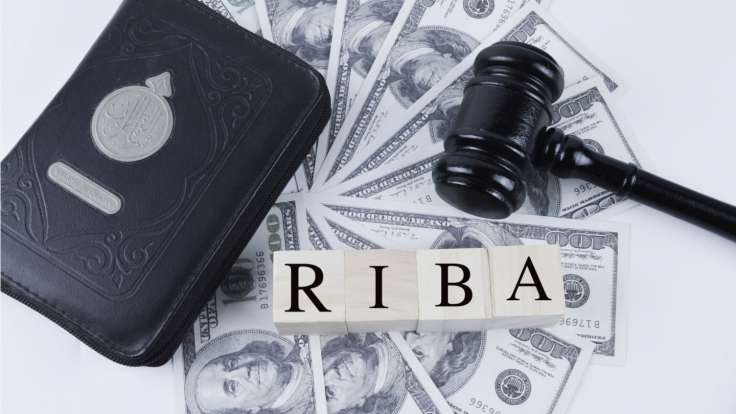
In one of our previous articles we provided an understanding of Riba. This week we aim to explore the types of Riba, namely Riba an Nasi’ah and Riba al Fadl.
Riba an Nasi’ah is known as Riba al Quran as it was specified unlawful as per the verses in the Holy Quran. Riba an Nasi’ah (the interest of delay) is legally defined as: “The addition of a surplus or an extra amount to an originally transacted sum for the party awaiting delivery of what he or she has transacted for”.
RIba al Fadl is known as Riba al Hadith as it was established as unlawful as per the Hadith of Nabi ﷺ. Riba Al Fadl actually means that excess which is taken in exchange of specific homogenous commodities and encountered in their hand-to-hand purchase & sale as explained in the famous Hadith narrated by Muslim bin Yasar and ‘Abdullah bin ‘Atik:
قَالاَ جَمَعَ الْمَنْزِلُ بَيْنَ عُبَادَةَ بْنِ الصَّامِتِ وَمُعَاوِيَةَ حَدَّثَهُمْ عُبَادَةُ، قَالَ نَهَانَا رَسُولُ اللَّهِ صلى الله عليه وسلم عَنْ بَيْعِ الذَّهَبِ بِالذَّهَبِ وَالْوَرِقِ بِالْوَرِقِ وَالْبُرِّ بِالْبُرِّ وَالشَّعِيرِ بِالشَّعِيرِ وَالتَّمْرِ بِالتَّمْرِ – قَالَ أَحَدُهُمَا وَالْمِلْحِ بِالْمِلْحِ وَلَمْ يَقُلْهُ الآخَرُ – إِلاَّ مِثْلاً بِمِثْلٍ يَدًا بِيَدٍ وَأَمَرَنَا أَنْ نَبِيعَ الذَّهَبَ بِالْوَرِقِ وَالْوَرِقَ بِالذَّهَبِ وَالْبُرَّ بِالشِّعِيرِ وَالشَّعِيرَ بِالْبُرِّ يَدًا بِيَدٍ كَيْفَ شِئْنَا قَالَ أَحَدُهُمَا فَمَنْ زَادَ أَوِ ازْدَادَ فَقَدْ أَرْبَى .
“Ubadah bin As-Samit and Muawiyah met at a stopping place on the road. ‘Ubadah told them: ‘The Messenger of Allah ﷺ forbade selling gold for gold, silver for silver, wheat for wheat, barley for barley, dates for dates”‘- one of them said: ‘salt for salt,”‘ but the other did not say it-“unless it was like for like, hand to hand. And he ﷺ commanded us to sell gold for silver and silver for gold, and wheat for barley and barley for wheat, and to hand, however we wanted.”‘ And one of them said: “Whoever gives more or ask for more has engaged in Riba.”‘ (Sunnan Nisai 4560, Sahih Muslim 1587)
There is a difference of opinion between scholars as to whether Riba al Fadl is restricted to the 6 commodities as mentioned in the hadith above. There are few scholars amongst the Ahnaaf, Hanbali’s who believe that is the case however majority of the scholars are of the view that it is not restricted to these commodities and other commodities are to be considered. When one poses the question on how to distinguish which commodities to consider, scholars have mentioned that there are certain common characteristics which can be used as a cause and basis for Riba al Fadl. Scholars have declared that if a commodity possesses the characteristics of weight or if it can be considered as a medium of exchange then it can be considered as a ribawi commodity.
We ask Allah to save us from Riba. May Allah accept our efforts from us and grant us understanding In Sha Allah!
 The Garden of Knowledge
Leave a comment